Growth Programs

Your Growth Priorities
Pick the priority you need to fix first and get a clear starting point.
Targeted Solutions
Solutions and such do some things and some other things here Maecenas sed diam eget risus varius blandit sit amet non magna. Aenean lacinia bibendum nulla.

Learn more about our targeted solutions and see what fits the gap you’re seeing.
Who We Serve
Overview
You’re measured on different outcomes—but your success depends on the same buyer decisions. This is where you find the programs and proof built for your goals.
Choose your role to see what that looks like in practice.
Choose your role to see what that looks like in practice.
Role-Based Solutions
Find the solutions that map to your responsibilities—and the outcomes you’re expected to deliver.
Case Studies
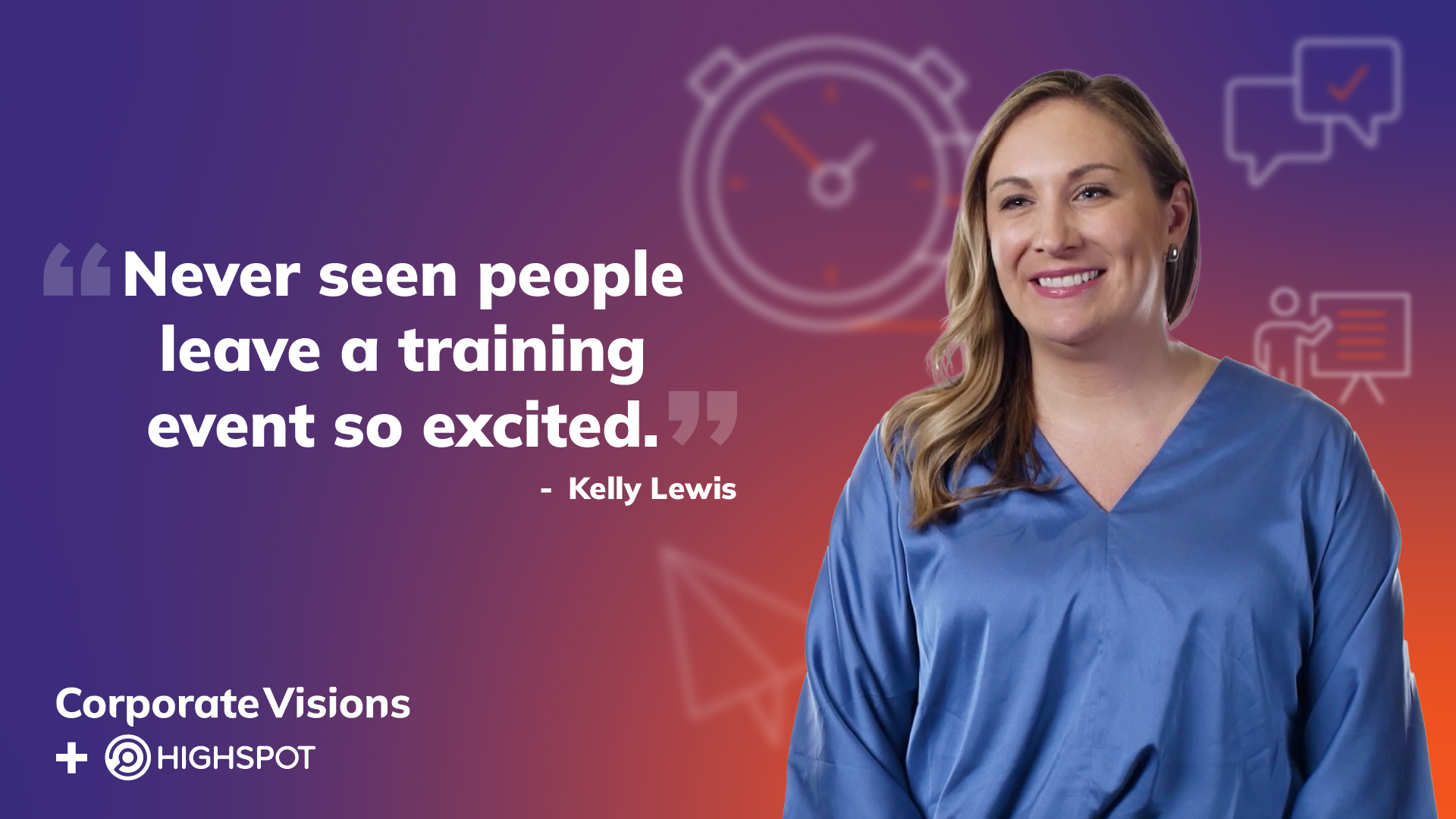
See how revenue teams like yours use buyer evidence to win more—and keep more.
Approach
Community
Emblaze Community
Get perspective—and pressure-test your plans with peers.
Emblaze Resources
Stop guessing. Get the research and tools members actually use.
Pressure-Test Your Strategies
and Fine-Tune Your Approaches
and Fine-Tune Your Approaches
Get the Evidence to Build Stronger Teams
Rethink how you drive growth. Bring your toughest questions. Leave with clearer decisions.
Resources
Overview
When teams rely on opinions, content gets noisy and inconsistent. Our resources are grounded in buyer evidence—so you can sharpen decisions, messaging, and execution.
Find insights, articles, webinars, and more evidence-backed resources to grow revenue.
Find insights, articles, webinars, and more evidence-backed resources to grow revenue.