“We just decided to go in a different direction.”
“Your price point was outside our budget.”
“Another solution was a better fit for our needs.”
These are the polite rejections your sales team hears on their calls with prospects.
But what if you could be a fly on the wall when those same buyers discuss your solution after your sales rep leaves the call?
You’d likely hear something very different. With those buyer insights, you could significantly improve your messaging and positioning. You might even alter your product roadmap, if what they say is compelling enough.
This is the power of win-loss analysis.
Beyond the Obvious: Product Marketing with Buyer Insights
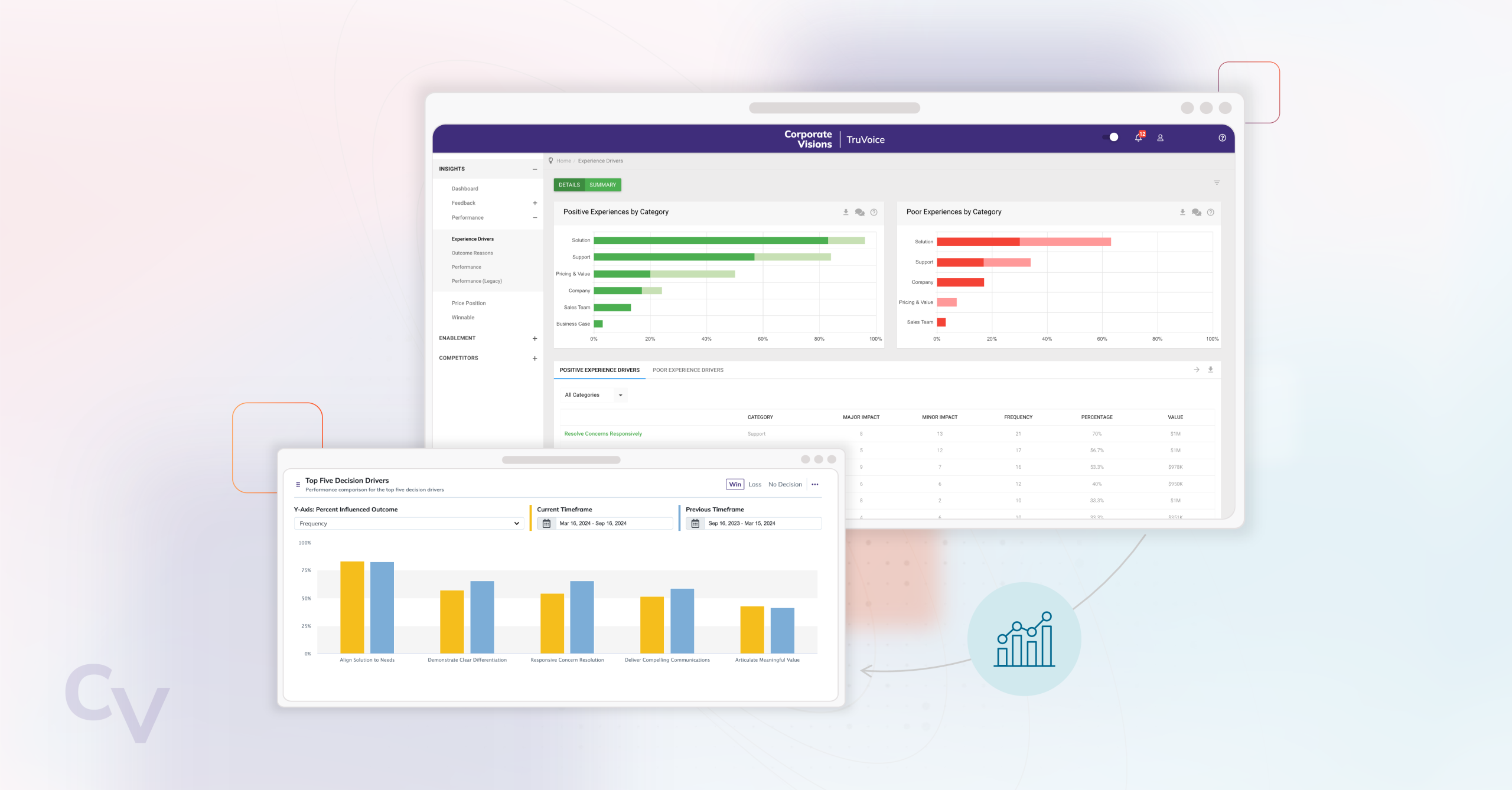
When you conduct win-loss analysis, especially through an objective third party, you get to hear what buyers actually think about your solution. Candid feedback from real buying situations where actual money is on the line, not just obvious answers they give your reps to avoid uncomfortable conversations.
Buyers rarely give this kind of honest feedback when speaking directly with your team—they’re protecting relationships, their own reputation, and often don’t want the seller to look bad.
But when speaking with an independent third party, buyers share insights that help you answer questions you can’t get from other sources.
You can begin to understand:
- What specific language do your buyers use when discussing your product after your sales team left the call?
- Which competitor messaging resonated most strongly against yours in final deliberations?
- What unstated objections did buyers never share with your sales team?
It’s an entirely different level of intelligence than traditional feedback methods.
Here’s what makes win-loss analysis so much more valuable than the mechanisms most companies use today:
Customer Surveys: Feelings Without Context
With surveys, you learn what customers think but rarely why they chose one solution over another when facing real tradeoffs with real budgets. Through win-loss analysis, you uncover the crucial “why” behind decision patterns.
Focus Groups: The Observer Effect Problem
When you run focus groups, you encounter what physicists call “the observer effect”—participants behave differently when they know they’re being watched. With win-loss analysis, you capture authentic feedback when buyers aren’t performing for an audience.
Sales Team Feedback: The Great Divide
Our analysis of over 100,000 B2B deals reveals that when you rely solely on your sales team’s feedback, you get a distorted picture. Sales teams cite entirely different reasons for losing deals than buyers do 50–70 percent of the time. While your reps might blame price or features, you’ll discover buyers often point to misaligned messaging, poor discovery, or failure to differentiate.
Kathy Townend from Enlyte puts it perfectly:
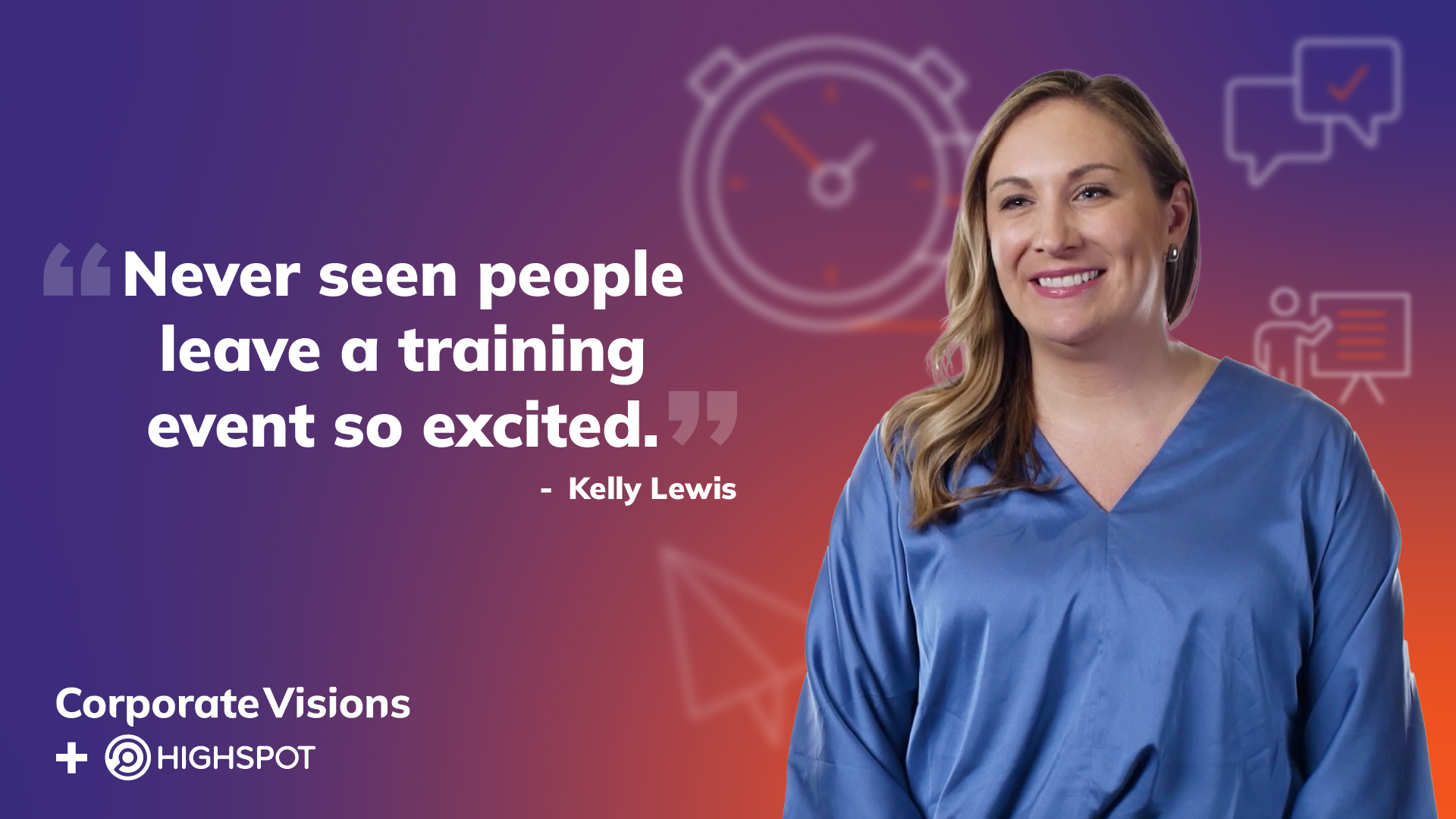
“We were really having a struggle with getting the feedback from our sales reps. The thing that we were hearing about why a sale wasn’t made was almost always price. We weren’t getting any more detail really around it. Beyond that, sometimes it was a product issue, but we really wanted to bring in an outside person to ask those questions. We know that we get a better response from our customers when they don’t feel like they’re giving away something on their sales reps.”
Three Revelations from Win-Loss Analysis
So what exactly will you learn when you start collecting buyer feedback?
Our data shows a few consistent patterns that product marketers find particularly valuable. Here are the three most significant revelations you’ll uncover.
1. Messaging Perception Gaps
You might be shocked to discover how your carefully crafted messaging lands with real buyers. Through win-loss analysis, you’ll expose the gap between your messaging strategy and how buyers actually interpret your solution’s value.
2. Feature-Value Disconnects
You’ve invested heavily in promoting features you believe deliver the most value, but buyers might prioritize entirely different capabilities. With win-loss insights, you’ll reveal which features actually drive purchase decisions versus which ones merely check boxes.
3. Silent Deal Killers
Perhaps most valuable insights are the objections buyers never verbalize to your sales team. You’ll frequently uncover concerns that buyers felt uncomfortable raising directly but that ultimately determined the fate of the deal.
These hidden objections can be the difference between winning and losing. In some cases, uncovering those insights can even help resurrect deals you thought were lost forever.
For example, Rob Fandrich from SPS Commerce shares this story of how they turned a loss into a win:
“We got some nuggets back on strengths and weaknesses of both solutions. And when our sales rep got to see the transcript and hear the voice recording of that interview, she went back into the battlecards for that competitor and took a screenshot that basically outlines all of the things that [the buyers] were worried about going with that competitor.”
Turn Buyer Insights into Your Market Advantage
Using insights from buyers, you can refine your product marketing approach in three practical ways:
Reverse-Engineer a Winning Message
Most messaging is built from the inside out, based on what your team thinks matters.
By analyzing win-loss feedback, you can instead build outside-in messaging that’s based on actual buyer decision data.
Start by categorizing the exact language buyers use when describing why they chose your solution in won deals. Look for patterns in their priorities, pain points, and perceived benefits.
Create Role-Specific Battlecards
Standard battlecards typically focus on feature comparisons and generic talking points. Your win-loss insights will reveal that different buying committee members evaluate your solution through entirely different lenses.
With this competitive intelligence, you can develop role-specific positioning that addresses the actual concerns of each decision maker. For example, you might discover that:
- Technical evaluators focus primarily on implementation requirements
- Business users prioritize workflow integration
- Finance stakeholders worry most about hidden costs beyond the subscription fee
Create targeted battlecards for each role, so your sellers can address specific concerns that would otherwise derail deals in final committee reviews.
Decode Your True Price Position
When buyers cite “price” as their reason for not choosing your solution, there’s almost always a deeper story. Through win-loss analysis, you’ll discover which of these three distinct pricing concerns is actually in play:
- Value-price misalignment: Your solution’s perceived value doesn’t justify the cost
- Hidden cost concerns: Buyers worry about implementation, training, or integration costs beyond the stated price
- Budget timing issues: The value is understood, but budget cycles or approval processes create barriers
By identifying the specific pricing objection at work, you can develop targeted counter-strategies—whether that’s adjusting your ROI calculators, creating fixed-price implementation packages, or developing creative financing options that align with buyer budget cycles.
Win Loss Analysis for Product Marketing
Every day, product marketers make high-stakes decisions about messaging, positioning, and product strategy with incomplete information. You test your assumptions with focus groups, analyze competitive websites, and examine win-loss ratios in your CRM.
But for all that available data, there are still significant blind spots.
Win-loss analysis eliminates those blind spots by giving you what no other intelligence source can: the truth about why buyers choose your solution over alternatives—or why they don’t.
The most successful product marketers today aren’t just the most creative or the most technically knowledgeable. They’re the ones who best understand their buyers’ actual decision criteria and align their messaging, positioning, and go-to-market strategies to win more deals.