Win-Loss Analysis

Turn Buyer Feedback into Growth Decisions with Win-Loss Analysis

If your win-loss analysis only tells you what happened, it’s not doing its job. With TruVoice from Corporate Visions win-loss analysis, buyer feedback becomes a decision tool—turning insights into clearer strategy, sharper coaching, and higher win rates.

Why Win-Loss Breaks Down Inside Most Organizations

The problem with most win-loss programs isn’t a lack of data— it’s what happens after feedback is collected. Feedback gets captured after the deal, summarized in isolation, and shared too late to influence live decisions. Insights stay academic instead of actionable. TruVoice closes that gap by tying buyer feedback directly to strategy, coaching, and execution.
“What convinced us about TruVoice was that they basically do all the heavy lifting for us,” says Garza. “We don’t have to worry about the outreach, the analysis, or conducting interviews. We just focus on analyzing the insights and taking action on them, and that’s it.”
Allen Garza, Product Marketing Manager
Learning Pool

Buyer Feedback That Fuels Your GTM Strategy

“Why we won or lost” is just the start. When you connect buyer feedback in TruVoice to your messaging, enablement, and sales execution, win-loss becomes an integral part of your revenue growth strategy. 
Understand Buyer Decisions in Context
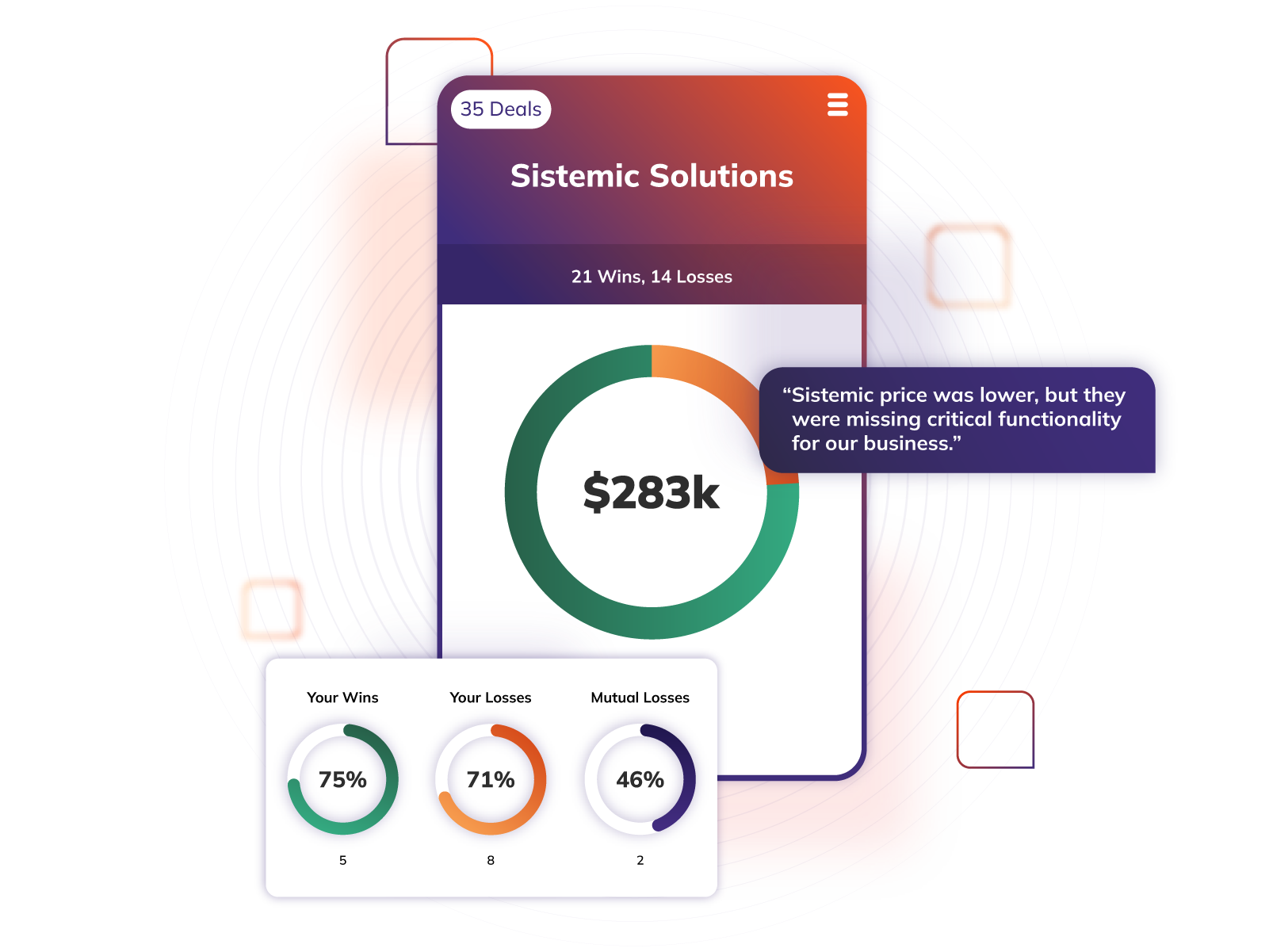
See the real reasons buyers chose you, chose a competitor, or chose to do nothing—grounded in the criteria and tradeoffs that shaped their decision.
Turn Insight into Enablement
Use buyer feedback to refine messaging, focus coaching, and align sales and marketing around what buyers respond to in real deals.
Track Trends That Shape Strategy
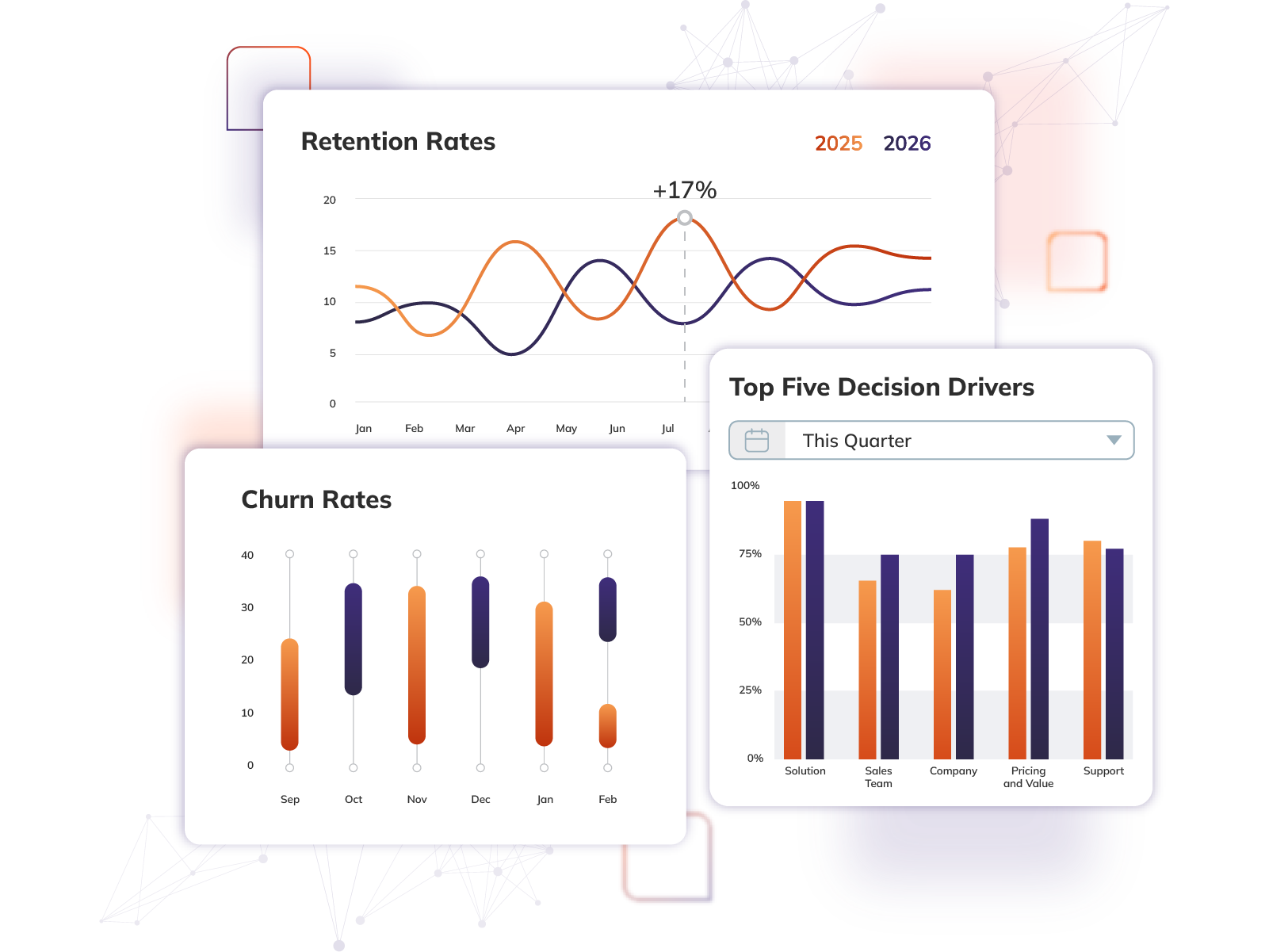
Spot meaningful patterns across products, regions, competitors, and deal types so strategy decisions are based on evidence, not anecdotes.
Get Metrics That Prove Impact
Connect buyer insight to your initiatives so you can show what changed, where performance improved, and which decisions drove results.

Competitive Analysis

Every competitive deal reveals why buyers chose another option—or stayed with the status quo. Competitive analysis captures that feedback directly from buyers, so your positioning, sales content, and competitive strategy reflect how decisions were actually made, not how teams assume they were actually made.

Churn Analysis

Churn analysis go beyond internal health scores to uncover why customers decide not to renew. By capturing post-sale buyer feedback, you can identify the moments, messages, and expectations that push customers away—and address the root causes of churn across sales, product, marketing, and customer success.

Explore More Ways to Examine Your Approach

Win-loss is one angle to gather insight. These related analyses help you connect buyer feedback to execution across the customer lifecycle.
Sales Performance Analysis
Identify which seller behaviors drive wins—and coach precisely where deals break down.
Customer Experience Analysis
Go beyond NPS to understand why customers stay, expand, or leave.
Precision Skills Assessments
Measure seller performance in realistic scenarios and pinpoint the competencies limiting results.
FAQs

Frequently Asked Questions About Win-Loss Analysis

Can’t we just ask our reps why we win or lose?

You can—but you’ll only get half the story. Sellers often default to reasons like price or timing. Buyers reveal the deeper truths—how your value was perceived, who influenced the deal, and where your message missed the mark.

Ready to stop guessing why deals are won or lost?
Let’s talk about bringing direct buyer evidence into your sales, marketing, and coaching decisions.