SOLUTION AND PRODUCT MESSAGING

Create a Solution Story Your Competition Can’t Copy

Most messaging sounds interchangeable. Build product messaging that speaks to buyers’ problems, differentiates your solution, and holds up in real sales conversations.

Most Solution and Product Messaging Sounds the Same

When messaging is built to satisfy stakeholders—or to describe features—AI and buyers compress it into generic language. Messaging that breaks through starts with a sharper point of view.
“We had always presented our capabilities as technical information. But when we defined [Synthego’s] four characteristics of value, this made it more concrete for our sellers and our buyers. Now we can defend our business.”
Lory Tan, Director of Commercial Enablement, Synthego
+12%
win rate increase
-15%
decrease in time to close

Build Your Solution Story 

Change how buyers see their problem, highlight your unique advantages, and create momentum in early and mid-stage deals.
Change How Buyers Define the Problem
Reframe your buyer’s view of the problem, so they recognize the need to change from the status quo.
Stand Out in Competitive Comparisons
Make your competitive differences stand out, so buyers understand why they should choose you.
Move Deals Forward with a Repeatable Story
Align all your teams around one story, so your message survives handoffs and builds buyer confidence.
Protect Your Price When Pressure Hits
Articulate and defend your value early, so your price holds under scrutiny and you win more margin.

Backed by Research, Built for Buying Decisions

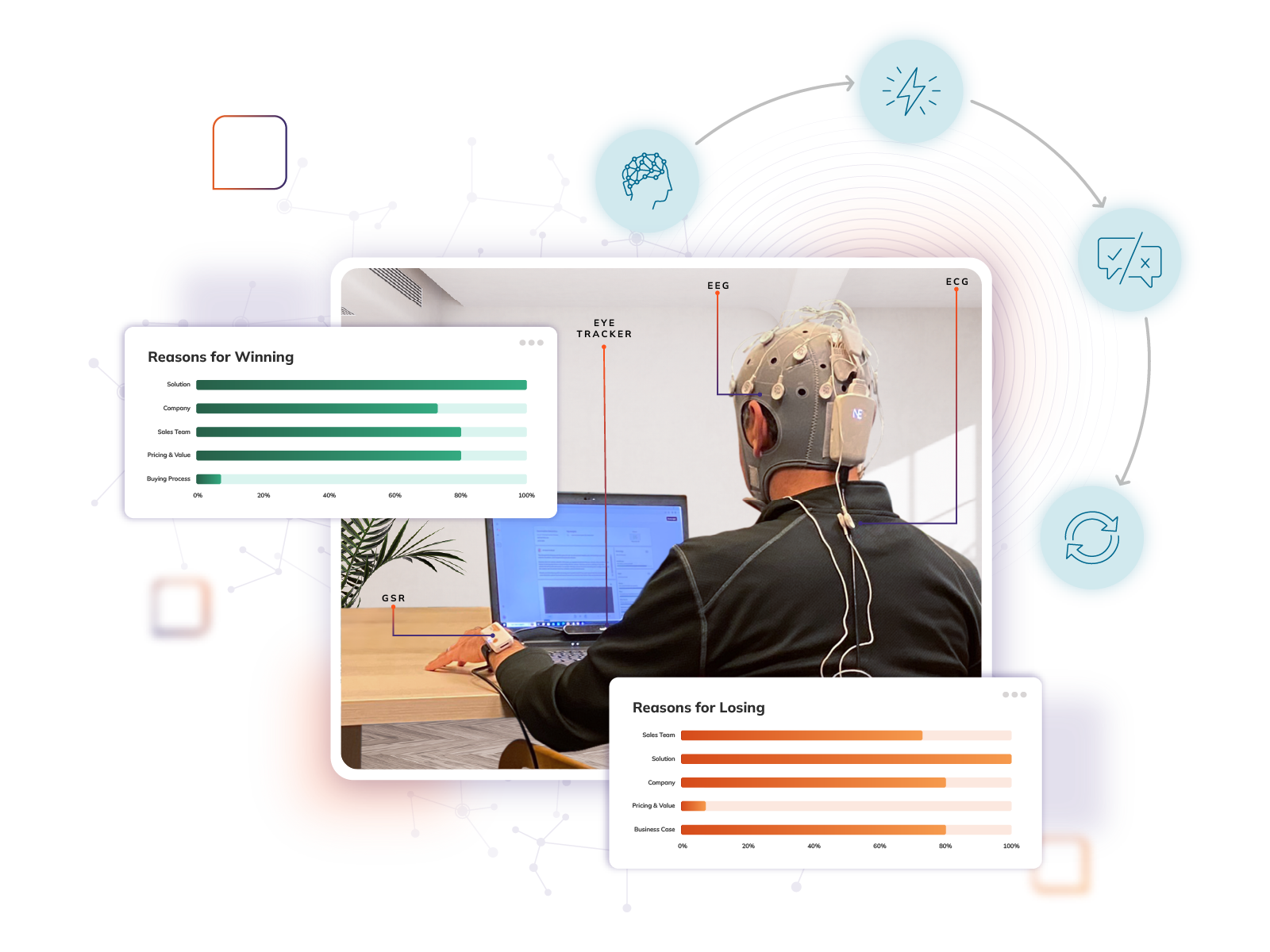
Our approach applies behavioral science and buying psychology to create messages that reduce perceived risk, clarify tradeoffs, and guide buying decisions in your favor.

Activate Your Message in the Field

Put the commercial narrative into assets like talk tracks, core slides, and campaign templates. Add training and on-demand coaching to reinforce the right behaviors as needed.

Explore More Messaging

When you need both a strong overall story and messages for disruptive moments, these additional messaging approaches can give you the structure to stay differentiated and aligned.
Critical Response Messaging
Respond quickly to high-stakes moments, reduce buyers’ perceived risk, and keep deal deals moving.
Commercial Narrative
Build one compelling commercial narrative that your entire organization can rally around.
FAQs

Frequently Asked Questions About Product and Solution Messaging

What exactly is a “solution story” and how is it different from a critical response message or a commercial narrative?

A solution story is the core narrative you use to sell a specific solution area. It’s built to change how buyers see the problem, create contrast against alternatives, and give sales a repeatable talk track for buyer conversations. In other words: it’s solution and product messaging designed for decisions—not just awareness. A critical response message is for high-stakes, “crisis” moments (price pressure, a competitor claim, an analyst report, a market shift, etc.). It’s sharper, more point-in-time, and designed to redirect the conversation fast. An enterprise narrative sits above both. It’s the overall positioning of your company or portfolio—how the business creates value in the market and why it matters.

Solution messaging connects what product marketing creates to how buyers make decisions. Your positioning docs, briefs, feature materials, and demo scripts are valuable inputs, but they often aren’t built to survive sales conversations where buyers compare options quickly and sales needs simple language they can deliver under pressure. Solution and product messaging takes your best thinking and converts it into a point of view that reframes the problem, makes tradeoffs clear, and creates contrast against the competition. That same message can then inform the downstream assets you already own—web copy, briefs, demos, nurture, and enablement—without turning into a “new messaging layer” that competes with your existing workflow.

You should expect a field-ready message package, not just a slide deck. The core output is a clear messaging spine that explains the problem, the insight that reframes it, the contrast that differentiates your approach, and the outcomes buyers care about—written in language that works in real sales conversations. That spine is packaged into assets your teams can actually use, typically including a solution-level talk track, a concise “message-at-a-glance” summary, and core slides or a whiteboard-style visual story.

Adoption improves when the message shows up inside the moment sellers need it, not as a one-time training event. If reps have to remember a “new pitch” from a workshop, they’ll default to the product tour when pressure hits. Just-in-time enablement works when the message is packaged into small, retrievable pieces and embedded into the workflows and tech reps already use. Adoption also increases when managers can coach it without extra overhead. If leaders can quickly spot the moment a rep should use the message, give one correction, and move on, the new story becomes the default.

Build Solution and Product Messaging That Gets Used
Build a solution story that creates clear contrast, gives sales a repeatable talk track, and shows up consistently in the tools reps use every day.