B2B Sales Process

Align Your Sales Process to How Buyers Make Decisions

Connect prospecting, opportunity management, and account development into one buyer-led operating system.

Sales Process That Matches Reality

Most sales processes are built for internal control and forecasting. But that creates a process–experience mismatch: sellers complete stages while buyers make non-linear decisions and judge you on the experience.
“We have sort of a mantra. Anybody has a question, somebody always turns up to say, ‘It’s in the playbook.’ We have t-shirts that say, ‘It’s in the playbook.’ It’s become part of the fabric of our team.”
Melanee Cira
Managing Director, Growth Operations
HSA Bank

Process, Meet Reality

Corporate Visions Sales Process connects buyer-anchored stages, competency-based seller activities, and verifiable buyer outcomes.
Build Buyer-Driven Opportunity Management
Design an opportunity management process so sellers know what to do next—and leaders know what “progress” looks like.
Coach Managers to Reinforce
Managers get structured prompts and clear coaching signals, so pipeline and deal reviews shift from status checks to coaching on buyer evidence.
Embedded in Your CRM and Playbooks
Put process guidance where sellers work, so adoption doesn’t depend on memory, training decks, or the rep’s best intentions.
Plan for Account Growth
Build an account development process that carries a consistent experience across the customer lifecycle.

When the Process Gets Used, Performance Shows Up

Adoption isn’t a “training problem”—it’s a design problem. Tie the process to measurable signals so managers can reinforce it and performance becomes repeatable.

Close the Gap Between Process and Experience

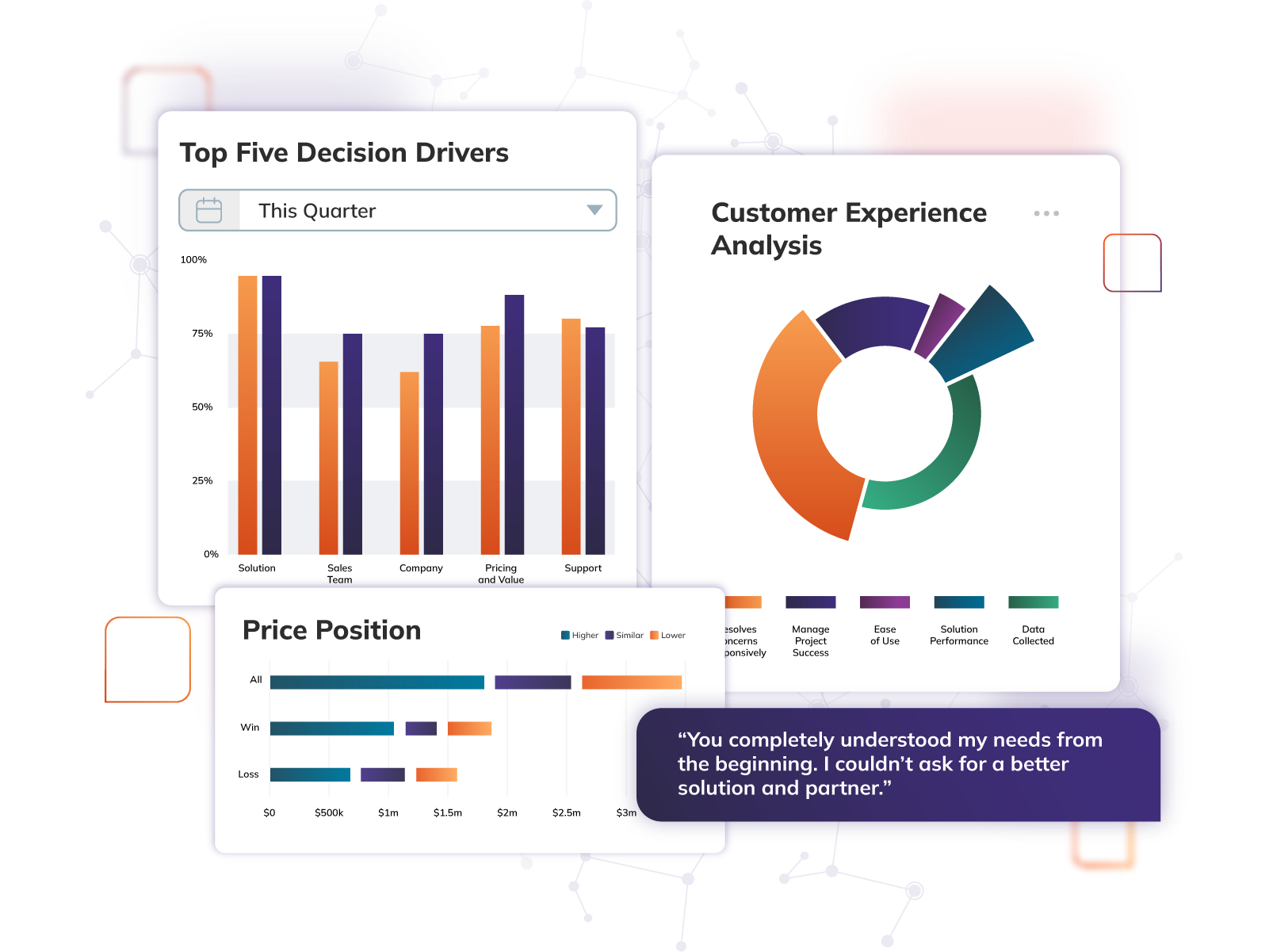
When your sales process is built on buyer decisions, you need buyer evidence to know if it’s working. Your CRM tells you what sellers logged. But that’s not the full story.
FAQs

Frequently Asked Questions About Sales Process

How is this different from just redesigning our CRM?

CRM redesigns track what sellers complete. Corporate Visions Sales Process starts with how buyers make decisions at each stage, then embeds that logic into your CRM so the tool reflects buyer reality, not just internal milestones. The CRM is where the process lives. It’s not what defines it.

A methodology defines the skills and conversations sellers need. A sales process defines the stages and activities that structure each engagement. The two work together. With Corporate Visions, you design your sales process to align with the methodology your sellers are already using, not replace it. If you’re also developing seller skills, the process is built to reinforce the same competencies.

The clearest proof points are pipeline accuracy, stage-to-stage conversion rates, and win rates over time—metrics your CRM already tracks. But when your process is anchored in buyer decisions rather than seller activity, forecast accuracy improves because stage advancement reflects real buyer progress. Buyer feedback through TruVoice adds a second data layer: what buyers actually experienced at each stage, not just what sellers logged.

Process and skills are two layers of the same overall approach. Corporate Visions aligns sales process design with seller training so the two compound, rather than pulling in different directions. When sellers learn the right conversation skills for each critical buying decision, and the process is designed around those same moments, reinforcement happens naturally in every deal review and coaching conversation.

Ready to Revamp Your Sales Process?
Let’s talk about how to build your sales process—and what a rollout could look like.