Revenue leaders are feeling fresh pressure from two directions at once. On one side, AI is accelerating visibility into problems that already existed in your customer success, forecasting, and performance systems.
On the other, your sellers are running a psychological endurance race—absorbing more pressure, change, and ambiguity than ever, while still being asked to show up calm and credible in front of buyers.
Across these four Emblazers episodes featuring leaders from Customer Revelations, SAP, Warwick Business School, and The Growth Factor, you see the same pattern from different angles. Taken together, these conversations argue for a more honest, human-centered revenue system: one where you design for how people actually change, decide, and perform—not for the dashboard you wish you had.
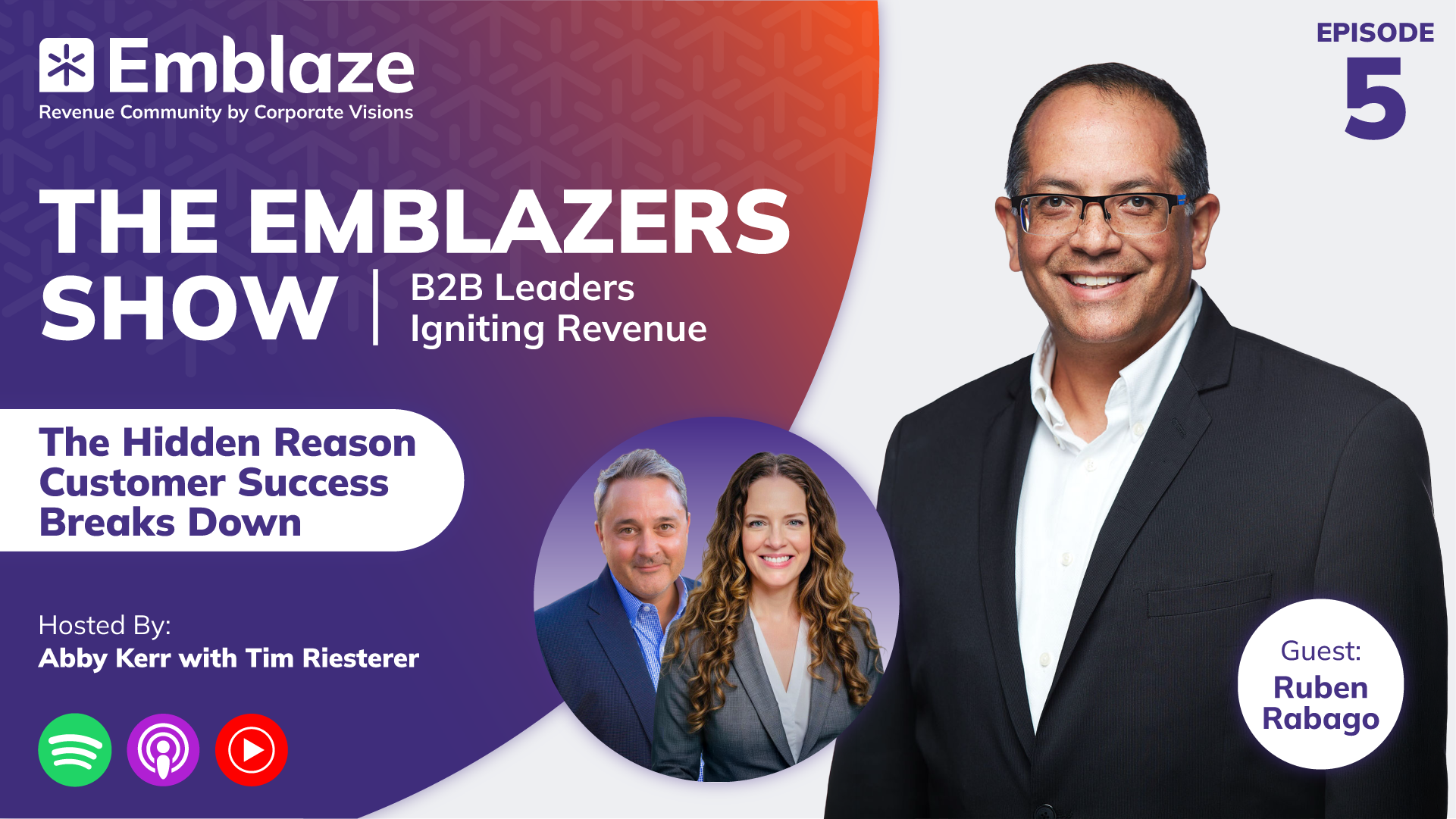
The Hidden Reason Customer Success Breaks Down – Ruben Rabago, Founder and Chief Advisor, Customer Revelations
When customer success starts to creak under growth, it’s tempting to blame product gaps or the latest tool.
Founder Ruben Rabago argues that most “adoption” problems are really change management failures: customers were never equipped to behave differently, and champions weren’t enabled to lead that change inside their own orgs.
Leaders then layer AI onto messy complexity—scaling inconsistency instead of clarity.
Ruben pushes for identifying the handful of behaviors and data points that reliably precede retention, expansion, or churn, and align CS, sales, and product around them. From there, treat CS as a disciplined system for moving humans through change, not a catch-all afterthought.
If you want predictable renewals and expansion, design customer success as a change engine with a few trusted signals.
Listen to the full episode on Spotify, Apple Podcasts, or YouTube.
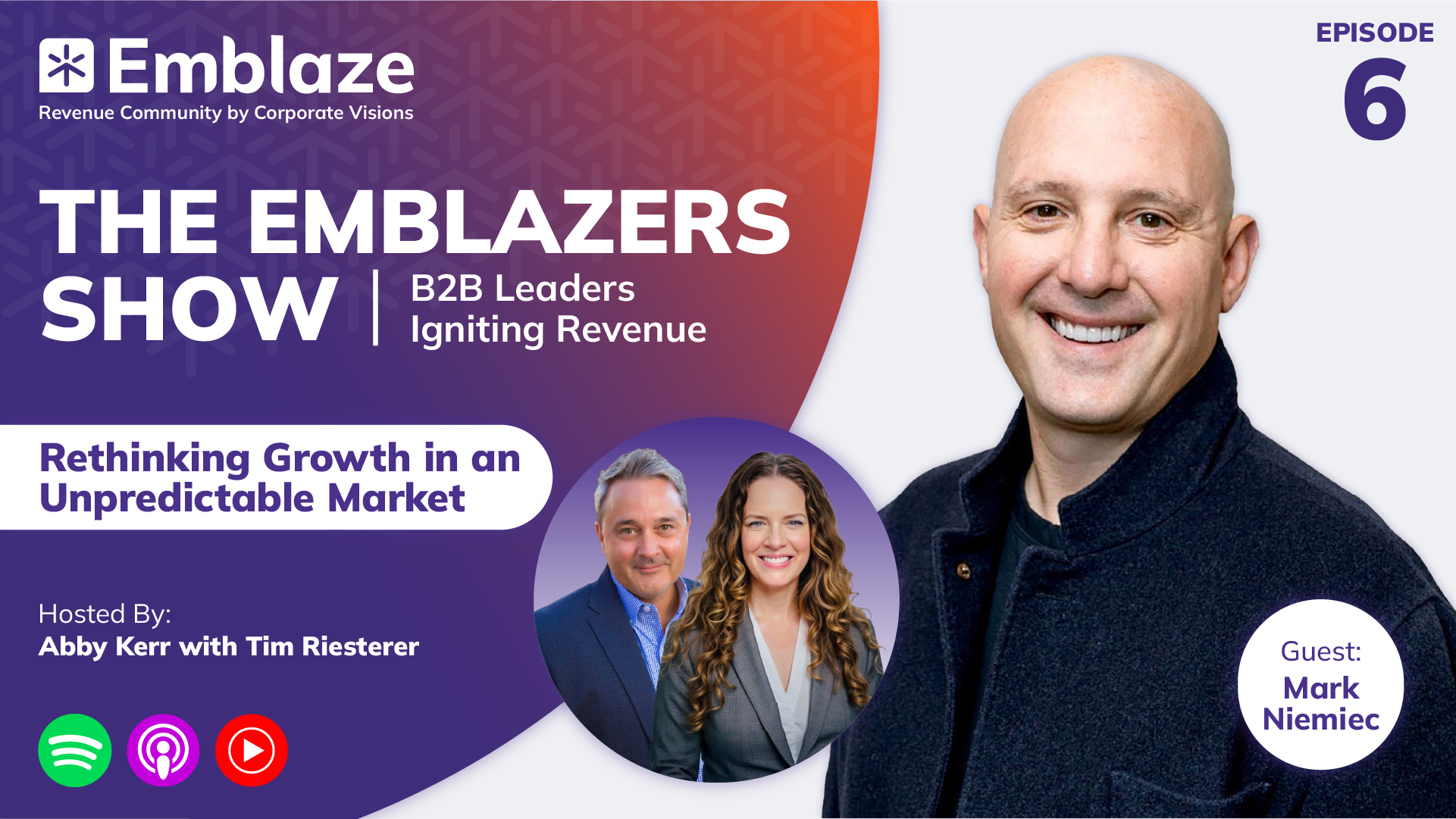
AI, Data, and Profitable Growth – Mark Niemiec, Chief Revenue Officer, SAP
Mark Niemiec comes at AI from the CRO’s chair, where the pressure is no longer just “grow”—it’s grow profitably, with cleaner data and fewer excuses.
His view: if your data is unreliable, your motions are fragmented, and your teams aren’t aligned on what good looks like, AI will simply expose those problems faster.
Instead of treating AI as a magic layer, Mark recommends using AI to look into where revenue is really leaking—conflicting forecasts, overloaded segments, inconsistent coverage—but only if you’ve already decided which signals matter, how you’ll act on them, and who owns the decisions.
That shifts the CRO’s focus from “adding tools” to tightening governance: where data comes from, how it’s cleaned, and how insights flow into forecast calls, account strategy, and resourcing.
Use AI and data to harden your operating model—clarifying profitable growth targets, signal definitions, and decision rights—before you automate another activity.
Listen to full episode on Spotify, Apple Podcasts, or YouTube.
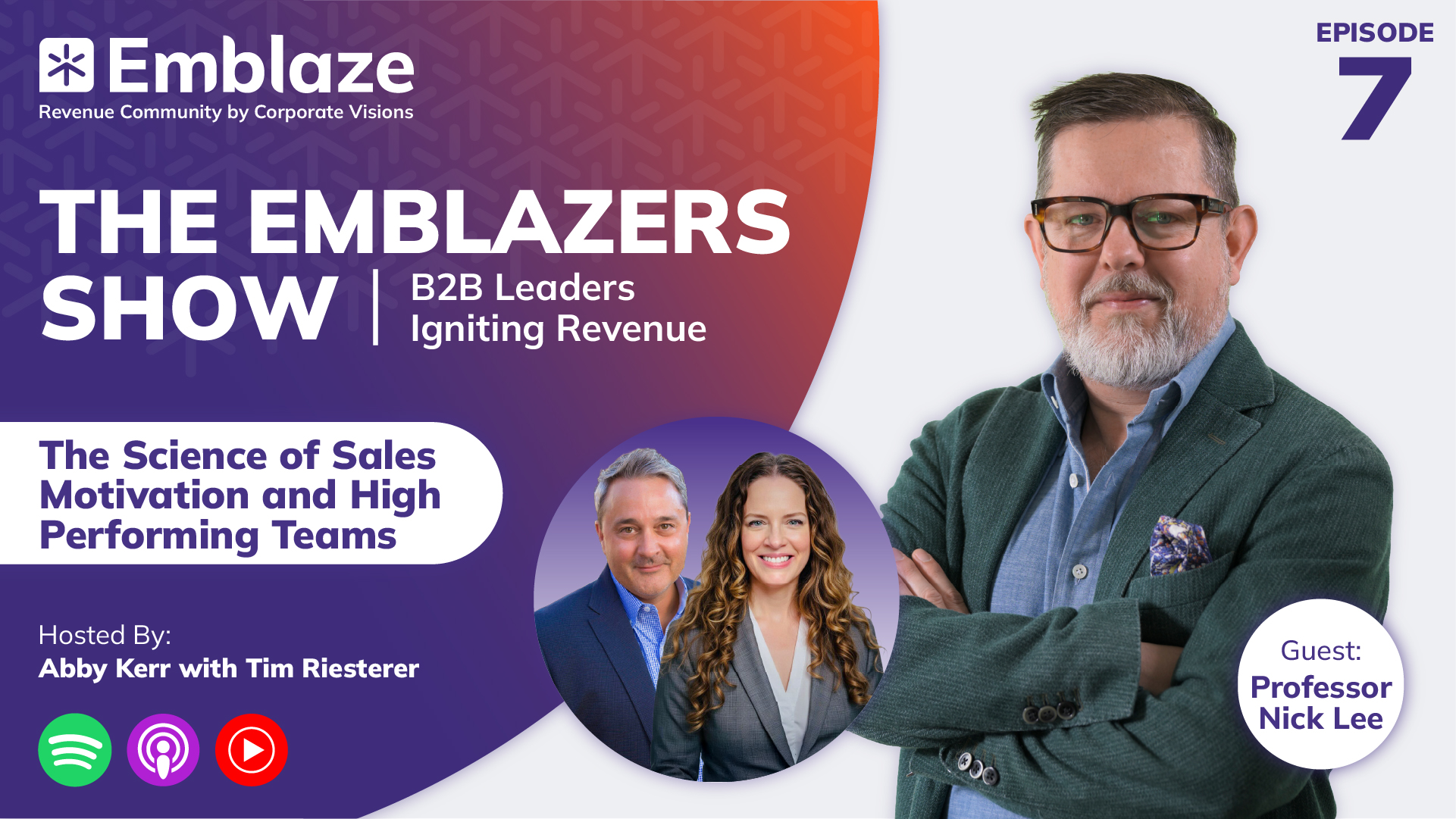
Sales Science, Leaderboards, and AI – Dr. Nick Lee, Assistant Dean of Research Culture and Environment, Warwick Business School
Dr. Nick Lee brings a scientist’s eye to the tools revenue leaders love to overuse: rankings, metrics, and AI coaching.
His research on “fear of last place” shows that leaderboards can lift performance at the bottom, but only when people believe the rankings are fair and moveable, so that they aren’t tempted to game the metric.
Nick pushes leaders to rethink performance systems in layers: rotating, focused leaderboards and explainable feedback (both human and AI) showing why a score is what it is.
All of this collides with the fading “rep-free buying” narrative; complex, high-stakes decisions are swinging back toward human interaction, not away from it.
Treat metrics, rankings, and AI as behavioral design tools that make improvement visible, fair, and worth the effort for every seller, not just the top ten percent.
Listen to the full episode on Spotify, Apple Podcasts, or YouTube.
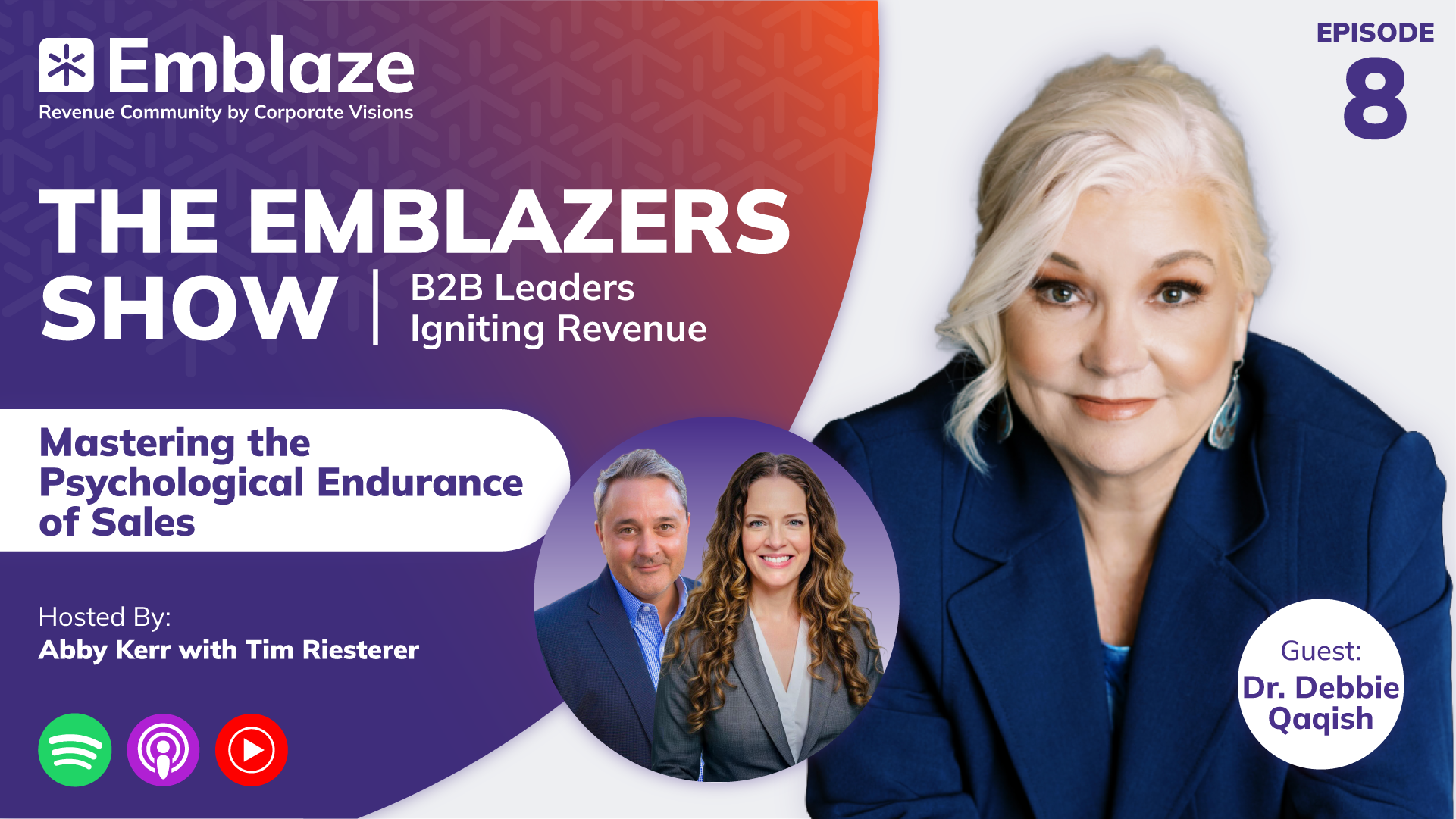
Mastering the Psychological Endurance of Sales – Dr. Debbie Qaqish, Founder, The Growth Factor
Dr. Debbie Qaqish says that no other role but sales faces as much rejection, pressure, and constant change, and that using her 3M model—mindset, moments, momentum—turns that reality into a set of inner skills sellers can intentionally practice.
Mindset is the story you tell yourself after the bad quarter or the lost deal. Techniques like reframing move you from threat (“I’m failing”) to possibility (“What can I learn and try next?”), reopening access to the parts of the brain that plan and create.
Moments are the high-heat situations where your lizard brain wants to fire off the angry email or panic in a meeting; Debbie’s “three Rs” (recognize, reset, respond) give sellers a simple pattern to regain control.
Momentum is about purpose and character strengths—knowing why you get out of bed and what makes you feel most like yourself at work, so you can sustain performance without burning out.
If you want a resilient sales force, leaders must go beyond simply coaching deals to normalize stress, teach inner skills as fiercely as outer ones, and make purpose and strengths part of how you lead, not side topics for offsites.
Listen to the full episode on Spotify, Apple Podcasts, or YouTube.
Build Systems for Brains, Not Just Dashboards
As you’re planning your next quarter—or your next enablement calendar—treat this run of episodes as a compact curriculum.
Map where your revenue engine is relying on heroics instead of discipline, on tools instead of signals, on slogans instead of real conversations about stress and purpose.
Then decide where you’ll start: clarifying CS signals, cleaning up your AI story, redesigning leaderboards, or finally naming the inner skills your sellers need to keep going.