Choose your role to see what that looks like in practice.

and Fine-Tune Your Approaches
Find insights, articles, webinars, and more evidence-backed resources to grow revenue.


When acquiring new customers, salespeople assume their prospects will ultimately decide between their solution or a competitor’s solution. But the truth is, 60-80% of deals end in “no decision.” Prospects don’t see a compelling enough reason to change from their current situation, so they decide to do nothing at all.

People act on what they remember, not what they forget. So, if you want your marketing content to inspire action, it must be memorable. This article dives into new scientific research that shows you how to make your content impossible to ignore.

An effective marketing message should do more than make a good first impression. To influence buying decisions, your message needs to make a lasting impression. The most effective marketing message connects to your buyer’s situation and their motivations within that situation.

Your buyers interact with your marketing in one moment, but they make the decision to buy in the future. That means the messages and assets you create must stick in your buyer’s mind long enough to influence their purchase decision. Unfortunately, most marketers don’t believe their content is memorable or actionable.

Digital content and changing buyer preferences continue to push the role of marketing further down the sales funnel. It’s no longer enough to drive awareness or interest—you are now in the business of influencing buying decisions. But how do you influence those decisions with your marketing?

Situational Enablement has tremendous benefits for your organization. Imagine being able to ready your sales force to respond to urgent threats or opportunities in weeks, instead of waiting months. But realizing the power of Situational Sales Enablement requires a new…

One of the claimed strengths of the traditional classroom training and enablement events was the power of roleplay, or “stand and deliver” activities. But there’s another, more effective way for your reps to gain proficiency in newly learned skills: Fluency…

People are more willing to learn (and will learn best) when they’re in a deficit—a moment of need. This kind of learning is what I call “Deficit Learning.” For example, do you remember the last time you had to change…

This article describes three examples of Situational Enablement in action. What is Situational Enablement? Situational Enablement programs are flexible and responsive sales enablement initiatives you can roll out to quickly address must-win business challenges and market opportunities. At the core…

In Alvin Toffler’s book, “The Third Wave,” he talks about society’s transition from the Industrial Age (Second Wave) to the Information Age (Third Wave). Toffler considered the Agricultural Age as the First Wave transition from our hunter-gatherer origins. You can…

Too many organizations plan their enablement with a “just-in-case” mindset. They lean on competency maps and learning paths to plot out an annual plan, only to scrap those initiatives and start from scratch when confronted with unexpected events or executive…

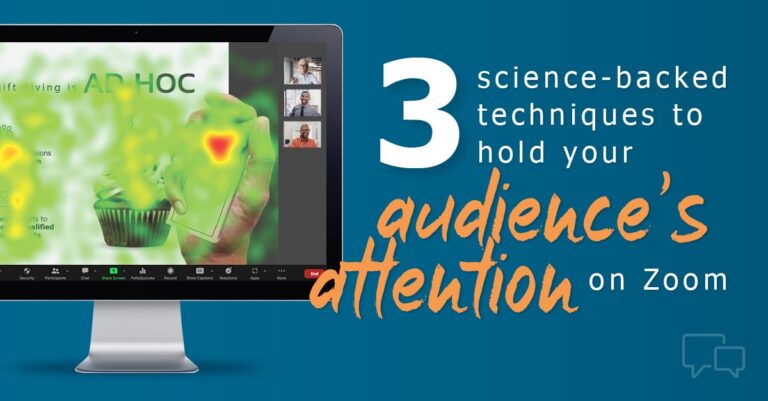
You don't have the luxury of looking your audience in the eye and pulling them back in when you sense their attention is starting to wander. When selling online, you need to use different tactics to get your buyers' attention, keep them focused, and make sure they remember your message.